

Every December, I spend money faster than I realize — gifts, travel, “just this once” purchases — and then January shows up with the bill. What most people don’t know is that the last days of December are actually the best time to fix the damage before it becomes debt. I used to miss these end-of-year money moves too, until I learned how much they quietly change the year ahead.
Here are the end-of-year money moves I now make every December — and why they matter more than people realize.
Why December Is a Financial Blind Spot for Most People
December feels expensive, emotional, and rushed. That’s exactly why it’s dangerous financially.
The Holiday Effect on Our Money Decisions
- We spend emotionally (“It’s just once a year”)
- We delay decisions (“I’ll fix it in January”)
- We avoid looking at balances until January bills arrive
I used to do the same — and then January would punish me for it.
Money Moves That Still Matter — Even in the Last Days of December
I Stopped Ignoring My Credit Card Statements (Before They Hurt Me)
For a long time, I avoided checking my credit cards in December.
Big mistake.
What I do now:
- I review every card balance
- I check interest rates (especially promotional ones ending soon)
- I note which cards I actually used vs. forgot about
Why this matters
- Interest compounds starting in January
- Late-December changes can save hundreds over the next year
- Credit card advertisers know this — which is why December finance pages earn high CPMs
I Catch Fees and Subscriptions Everyone Forgets
Holiday spending hides quiet monthly charges.
What I check before December 31:
- Streaming services activated “just for the holidays”
- Annual subscriptions set to renew in January
- Apps I forgot I signed up for during sales
Why readers care
Canceling one unused subscription feels small
Canceling five feels like a raise in January
The End-of-Year Financial Reset Most People Delay (I Don’t Anymore)
I Adjust My Budget Before January, Not After
I used to wait for January to “start fresh.”
Now I do it before the year ends.
Here’s what I adjust:
- Post-holiday spending categories
- Travel and gift budgets (so they don’t repeat blindly)
- Emergency fund contributions
Benefit
- January feels calmer
- Bills don’t feel like a surprise attack
- I start the new year ahead, not recovering
I Use December to Reset Financial Habits, Not Just Numbers
December isn’t just about math — it’s about behavior.
I ask myself:
- What caused overspending this year?
- Which months felt financially stressful?
- What expenses didn’t actually add value?
This reflection is uncomfortable — but incredibly powerful.
One End-of-Year Move That Changed How I Think About Long-Term Security
Up to this point, most of my December money moves are about damage control — stopping leaks, lowering stress, and making January easier.
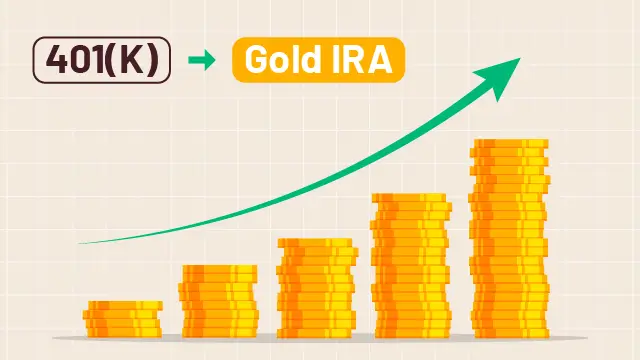
But a few years ago, I realized something uncomfortable: fixing short-term spending doesn’t mean your long-term money is protected.
That’s when I started paying attention to what I’d been completely ignoring — my 401(k).
Why I Started Looking Beyond My 401(k) at Year-End
Like a lot of people, I treated my 401(k) as “set it and forget it.”
But December always forces me to zoom out and ask a bigger question:
Is my retirement money actually diversified — or just riding the market?
With inflation worries, market swings, and headlines that don’t exactly inspire confidence, I wanted at least one part of my portfolio that wasn’t tied to stocks alone.
Elevate Your Portfolio by Rolling Your 401(k) Into a Gold IRA
This is where I first learned about rolling part of a 401(k) into a Gold IRA — something I’d never seriously considered before.
Here’s why it caught my attention:
- Gold isn’t directly correlated with stocks
- It’s often used as a hedge against inflation
- It adds a layer of diversification many retirement accounts lack
I’m not talking about going “all in” on gold.
For me, it was about balance, not prediction.
Why December Is a Surprisingly Smart Time to Think About a Gold IRA
December is when:
People finally review retirement statements
Employers send year-end summaries
Investors rethink risk after a full year of market movement
Thinking about a Gold IRA at year-end felt different than doing it in the middle of a market panic.
It was calmer, more intentional, and part of a bigger financial reset, not a reaction.
What This Move Did for My Peace of Mind
Even a small allocation changed how I felt about my overall portfolio.
Instead of asking:
“What if the market drops again?”
I started asking:
“How balanced am I if it does?”
That shift alone made my end-of-year financial planning feel more complete — not just focused on surviving January, but on protecting the years ahead.
Once I addressed the long-term side of my money, the short-term decisions — budgeting, bills, and January planning — suddenly felt more manageable.
That’s when I realized December isn’t just about closing out a year, it’s about positioning yourself for the next one.
Smart Year-End Moves That Make January Easier (Not Harder)
I Prepare for January Bills Before They Hit
January isn’t expensive because it’s January.
It’s expensive because December hides the damage.
What I do now:
- I estimate January credit card minimums
- I look at utilities and insurance renewals
- I plan cash flow instead of hoping for the best
Why this works
- No panic transfers
- No emergency borrowing
- No financial shame spiral
I Organize Financial Documents While Everyone Else Is Resting
This sounds boring — but it’s one of the smartest December moves.
I gather:
- Bank statements
- Investment summaries
- Tax-related documents
- Insurance paperwork
Why it pays off
- Tax season becomes easier
- I don’t scramble in January
- Financial tools and platforms reward organized users
This isn’t about predicting the market — it’s about understanding options and choosing diversification that fits your own risk tolerance.
Why These Small December Moves Change the Entire Next Year
The biggest lesson I’ve learned is this:
January doesn’t fix money problems — December prevents them.
These aren’t dramatic changes.
They’re quiet, unglamorous moves made while everyone else is distracted.
But they:
Reduce stress
Improve credit
Increase financial confidence
Make January feel lighter
Final Thought: December Isn’t Over — Your Financial Advantage Isn’t Either
If you’re reading this before December 31, you’re not late.
You’re early — compared to most people.
I stopped treating December like a financial dead zone.
Once I did, January stopped feeling like damage control.
And that’s a holiday gift worth keeping.