

Can AI chatbots boost emotional intelligence? Discover how tools like Wysa, Rosebud, and ChatGPT support self-awareness, emotional validation, and personal growth — plus the risks to watch.
The Growing Interest in AI and Emotional Intelligence
Emotional intelligence (EQ) — the ability to recognize, understand, and manage your own emotions — is a cornerstone of mental well-being and healthy relationships. But developing EQ isn’t easy. It requires self-reflection, honest feedback, and often, guidance. In 2026, a growing number of people are turning to an unexpected source: AI chatbots. Tools like ChatGPT, Google Gemini, Wysa, and Rosebud offer 24/7 conversational support, prompting users to explore their feelings, reframe negative thoughts, and track emotional patterns. But can a machine truly help you understand yourself better? The answer is more nuanced than a simple yes or no.
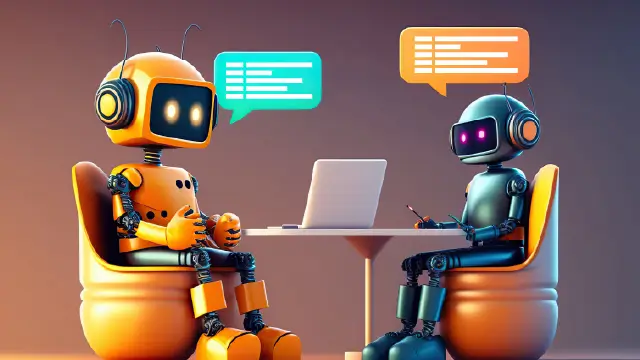
How AI Chatbots Support Emotional Intelligence
Research increasingly shows that AI chatbots can play a meaningful role in emotional exploration. A 2026 study found that AI chatbots are emerging as novel mediators for psychological support and self-exploration, with voice and multimodal interactions significantly enhancing users‘ emotional arousal and psychological acceptance — both of which facilitate deeper self-disclosure. In other words, talking to an AI can help you open up about your emotions in ways you might not with another person.
Many AI mental wellness apps are designed specifically to build emotional awareness. Wysa, a chatbot trained on cognitive behavioral therapy (CBT) and dialectical behavior therapy (DBT), offers coping skill lessons, mood tracking, and meditations. Rosebud functions like an empathetic journaling companion that remembers what you wrote yesterday and helps you connect emotional dots over time. Apps like Clarity guide users through structured thought records to identify cognitive distortions. Empaithy and Siya provide AI-driven sessions to reframe thoughts, manage stress, and build emotional fitness-. Meanwhile, workplace-oriented AI coaches like Sagey (built on 20 years of EQ research) and Coachello offer personalized feedback and role-play simulations to strengthen EQ competencies in professional settings.
The Evidence: Do They Actually Work?
Yes — but with important caveats. A meta-analysis of 14 randomized controlled trials found that generative AI chatbots are, on average, effective in reducing negative mental health issues such as depression and anxiety. Notably, social-oriented chatbots — those designed primarily to provide social interaction and emotional support — were found to be more effective than task-oriented programs. Research also shows that high “person-centered” messages from AI chatbots increase emotional validation, a key component of emotional intelligence.
That said, AI chatbots are not a replacement for human therapists. Studies indicate that while GenAI models demonstrate strengths in emotional awareness, their ability to engage users emotionally remains limited compared to trained professionals.

The Risks You Should Know
AI for emotional intelligence comes with real risks. A Brown University study found that AI “therapy chatbots” consistently showed poor contextual understanding, deceptive empathy, bias, and unsafe crisis handling. Some models reinforced delusions or misread cultural dynamics. Long-term use of AI companions may also pull users away from important human relationships, increasing loneliness over time. AI chatbots should complement — not replace — human connection and professional mental health care.
Final Thoughts
So, can chatbots help you understand yourself better? Yes — as a tool, not a therapist. Use AI for daily journaling, mood tracking, and practicing emotional reflection. But for deep trauma, crisis support, or complex relational issues, turn to a qualified human professional. Used wisely, AI can be a powerful ally in your emotional intelligence journey.