

1. This Isn’t Just Airline News — It’s Your Money
I saw the headline about airlines cutting flights due to a £400M fuel bill, and my first thought was:
“Am I about to pay more for flights… or should I delay booking altogether?”
If you travel even once a year—or invest in travel stocks—this isn’t just news.
It directly affects your wallet.
2. Heathrow Airport Cut Flights After Oil Prices Surged
A major airline operating from Heathrow Airport has started cutting flights after oil prices surged.
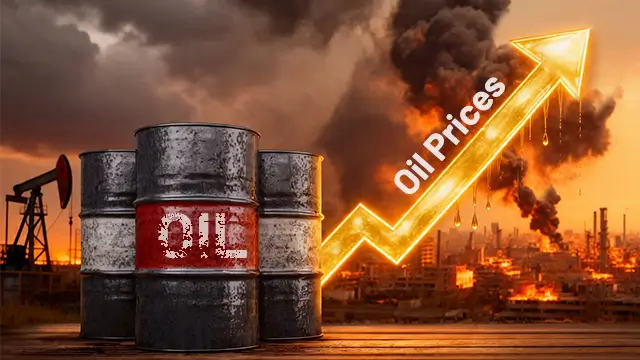
The trigger?
- Rising tensions in the Middle East
- Disruptions near the Strait of Hormuz (a key global oil route)
- Fuel costs skyrocketing across the aviation sector
Fuel is one of the largest expenses for airlines, so when oil prices jump, airlines react fast:
➡️ Fewer flights
➡️ Higher ticket prices
➡️ Reduced routes
3. What This Means for Me (And You)
Here’s the real financial impact:
✈️ 1. Flight Prices Will Rise
Less supply + higher costs = more expensive tickets
You could pay 20–50% more on some routes if this continues.
📉 2. Travel Flexibility Drops
Fewer flights mean:
- Limited options
- Higher change fees
- Less competitive pricing
📊 3. Travel Stocks Become Risky
Airline stocks often dip when fuel costs surge.
If you’re investing, volatility increases.
💳 4. Credit Card Rewards Lose Value
Points may not stretch as far if flight prices inflate.
4. Pros and Cons of Booking Now
✅ Why You Might Still Book Now
- Lock in current prices before further increases
- Secure limited seats on popular routes
- Use reward points before devaluation
❌ Where It Falls Short
- Prices may drop if demand weakens
- Risk of cancellations or route cuts
- Less flexibility if plans change
5. Better Financial Alternatives (IMPORTANT)
Instead of rushing into expensive bookings, I look at where my money works harder:
💰 1. High-Yield Savings Accounts
- Earn interest while waiting for better travel deals
- Safer than spending immediately
Best High-Yield Savings Accounts for April 2026: Up to 4.03%
🏦 2. Fixed Deposits / Term Savings
- Lock in guaranteed returns (often 4–6% in 2026)
- Good for planned travel budgets
📈 3. Diversified Investments
- Energy stocks may benefit from rising oil prices
- Travel ETFs may dip (buying opportunity?)
👉 The key:
Before spending $1,000+ on flights, I ask:
“Can this money grow instead while I wait?”
What Stocks Have Individual Investors Been Buying and Selling?
6. Decision Guide: Should You Book or Wait?
✔️ Book Now If:
- You must travel (non-flexible dates)
- Prices are still reasonable
- You find a deal below historical averages
⏳ Wait If:
- Travel is optional
- Prices already surged
- You can monitor trends
7. Action Steps (What I’d Do Next)
- ✅ Compare flight prices across multiple platforms
- ✅ Track oil prices and travel trends
- ✅ Explore savings accounts or short-term investments
- ✅ Use alerts for price drops
- ✅ Avoid impulse booking during panic spikes
Bottom line:
Don’t just react to headlines—
👉 Compare rates, explore better returns, and make your money work before you spend it.
FAQ
- Will flight prices increase due to oil prices?
Yes, higher fuel costs typically lead to increased ticket prices and fewer available flights. - Should I book flights now or wait?
Book now if prices are still reasonable and your plans are fixed. Otherwise, waiting may offer better deals. - How do oil prices impact airlines?
Fuel is a major expense, so rising oil prices reduce airline profits and force cost-cutting measures. - Are there better alternatives to spending on travel now?
Yes, consider high-yield savings accounts, fixed deposits, or short-term investments while waiting. - Do airline stocks fall when fuel prices rise?
Often yes, because higher fuel costs reduce profit margins, increasing volatility in airline stocks.