

Explore the latest in wearable health tech — from smartwatches to continuous glucose monitors. Learn how these devices track fitness, heart health, sleep, and blood sugar in real time.
The Evolution of Wearable Health Technology
Gone are the days when wearables only counted steps. Today, wearable health tech has evolved into sophisticated medical-grade tools that monitor everything from heart rhythm to blood glucose. From everyday smartwatches to prescription-only continuous glucose monitors (CGMs), these devices empower users to take control of their health like never before. Whether you’re a fitness enthusiast or managing a chronic condition, there’s a wearable for you.
Smartwatches: The All-in-One Health Hub
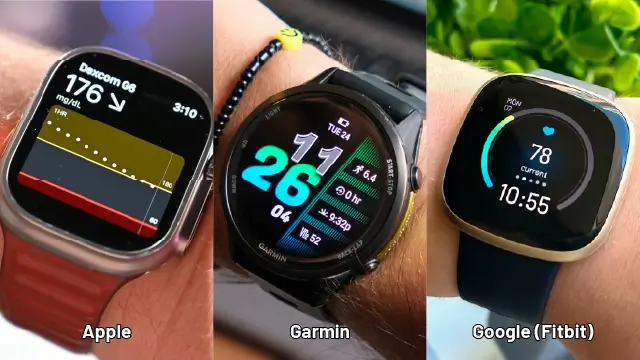
Leading smartwatches from Apple, Garmin, Samsung, and Google (Fitbit) now offer features once found only in hospitals. They track:
• Heart rate and ECG: Detect irregular rhythms like atrial fibrillation (AFib).
• Blood oxygen saturation (SpO2): Useful for sleep apnea and respiratory health.
• Sleep stages: Deep, light, REM, and awake time.
• Activity and recovery: VO2 max, training load, and resting heart rate.
• Menstrual cycle tracking: Predict ovulation and symptoms.
Some newer models also include skin temperature sensing and crash detection. While not medical devices, smartwatches provide trend data that can alert users to potential issues — and share reports with doctors.
Continuous Glucose Monitors (CGMs): A Game Changer
CGMs were originally designed for people with diabetes, but they’re increasingly adopted by health-conscious individuals without diabetes. Devices like Dexcom G7, Abbott FreeStyle Libre 3, and Eversense E3 use a tiny sensor inserted under the skin to measure glucose levels in real time — 24/7. The sensor sends data to a smartphone app, showing how food, exercise, stress, and sleep affect blood sugar.
For people with diabetes, CGMs reduce the need for finger pricks and provide alerts for dangerous highs and lows. For biohackers and wellness seekers, CGMs offer personalized insights into metabolic health, helping optimize diet and exercise for stable energy and weight management.
Privacy and Accuracy Considerations
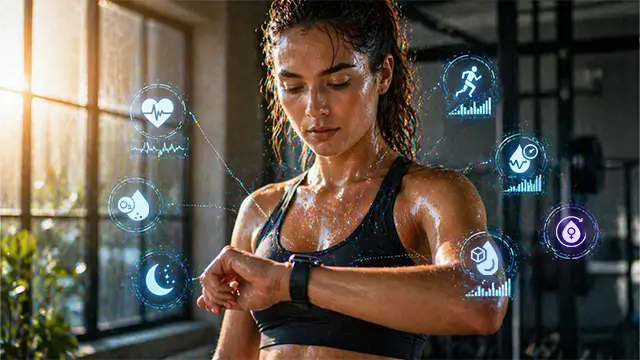
Wearable health tech is not perfect. Accuracy varies by device and condition. False positives can cause anxiety, while false negatives may give false reassurance. Always consult a doctor before making medical decisions based on wearable data. Additionally, protect your health data — review privacy policies and disable unnecessary sharing.
The Future of Wearable Health Tech
The next frontier includes non-invasive glucose monitoring (no needle required), implantable sensors, and AI-driven predictive analytics that alert you to illness before symptoms appear. As sensors shrink and algorithms improve, wearables will shift from tracking to early intervention.
Final Thoughts
From smartwatches that detect falls to CGMs that reveal metabolic patterns, wearable health tech puts powerful data on your wrist — or under your skin. Used wisely, these tools can motivate healthier habits and catch problems early. The best device is the one you’ll actually wear.