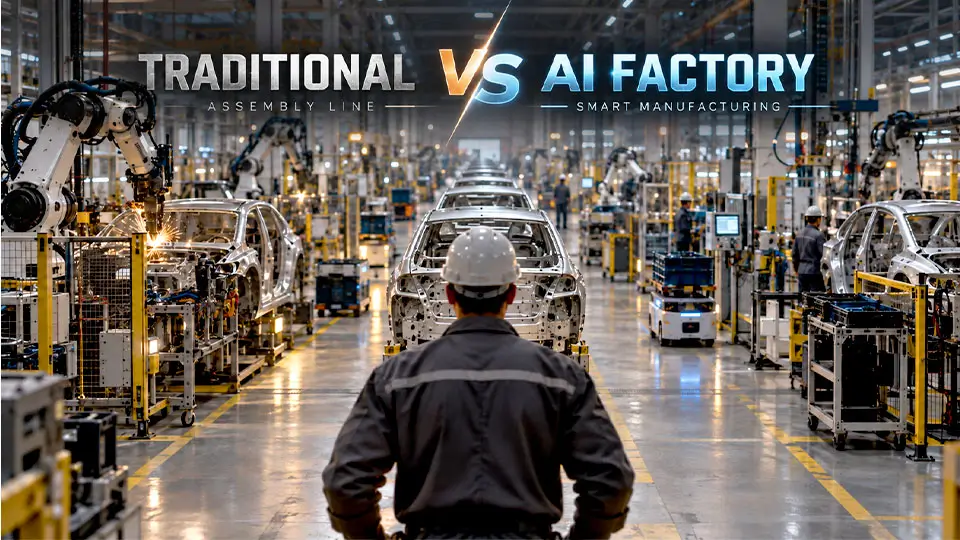
The Factory of the Future: AI, Robots, and the End of the Assembly Line 2026/09/21 by Grace Wilson Today, AI, humanoid robots, and lights-out factories are ending the traditional assembly line. Embodied AI expands rapidly, yet selective autonomy—not full automation—will shape the future of manufacturing globally.
Home Robots Are Back—And This Time They Might Actually Work 2026/09/17 by Grace Wilson Home robot shipments surge 312% to 1.2M units in 2026, driven by AI and lower costs. Yet only 38% task completion means the dream home helper isn’t quite there yet
The Digital Divide in 2026 Who Gets Left Behind in the AI Age 2026/09/14 by Grace Wilson 2.2 billion remain offline. Generative AI adoption in developed nations nearly doubles that in developing ones, threatening a permanent K-shaped global split, UN warns.
How Big Tech’s Data Centers Are Draining the World’s Water Supply? 2026/09/142026/09/11 by Grace Wilson AI-powered data centers could consume 9.3 trillion liters by 2030, straining drought zones. Efficiency gains lag growth; replenishment claims often ignore local depletion, critics warn.
The AI Copyright Wars: Who Owns AI-Generated Content? 2026/09/07 by Grace Wilson In the US, pure AI outputs lack copyright without human authorship; China may protect prompt-driven works. Training data lawsuits are unresolved. Keep records of creative input to prove ownership.
AI Memory Bottlenecks: Why HBM Is the New Gold 2026/09/04 by Grace Wilson High Bandwidth Memory has become AI’s most precious resource. Three suppliers control all supply, prices are surging, and capacity is sold out until 2027. HBM4 doubles speed but consumes almost half a GPU’s budget.
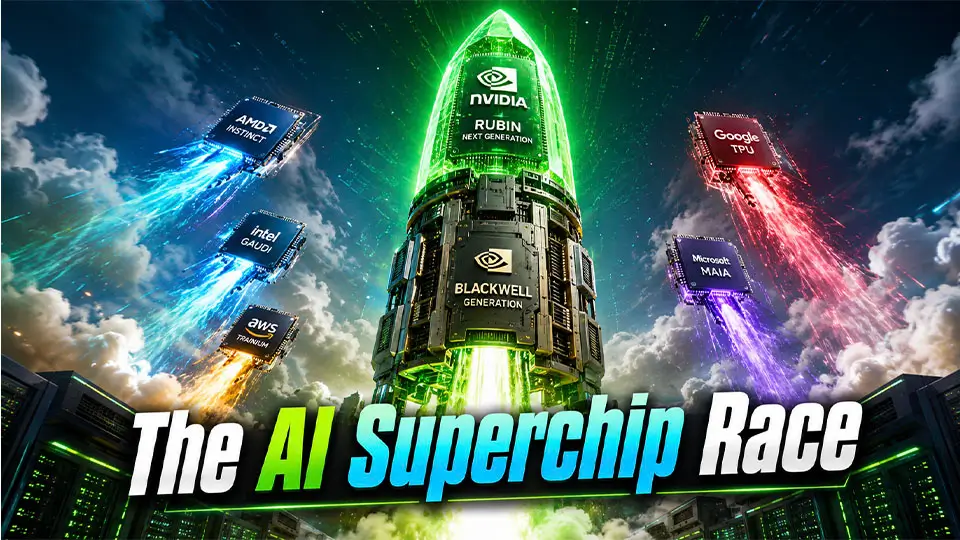
NVIDIA’s Next Move: Inside the Race for AI Superchips 2026/09/01 by Grace Wilson NVIDIA leads with Vera Rubin and Blackwell, yet AMD’s Helios and rising memory costs challenge. Its CUDA moat and $1T demand backlog keep it ahead in the fierce superchip race.
The Rise of Small Language Models Why Bigger Isn’t Always Better 2026/08/28 by Grace Wilson Small language models deliver efficient, low-cost, and privacy-preserving AI that can run directly on devices. By specializing in specific tasks, they rival much larger models and are reshaping enterprise AI strategies.